A trajectory of increasing leverage.
I spend most of my time building and testing systems - technical systems, organisational systems, and mental systems - to see what actually works in the real world. The common thread is always the same: understanding how things actually work, not how people claim they work.
The Journey
The Roots
I grew up obsessing over how things work. At nine years old I drew a building called "Ayman's Engineering Company" when asked what I wanted to do in the future. I didn't come from a background of entrepreneurship or privilege. Most of what I learned, I taught myself - often by building things badly first, then rebuilding them properly.
PhD at 23
I completed my PhD working on AI-based condition monitoring and data fusion. My research focused on making machine learning systems radically more efficient - cutting data and computation requirements by orders of magnitude. That work attracted interest from NASA and a bunch of mining companies, which was the first time I saw a clear path from abstract research to real-world impact.
First Company
I've led AI teams, and scaled a consultancy to meaningful revenue. These experiences taught me far more than academia ever could. I learned why most technical products fail in the market, how misaligned incentives destroy good ideas, how hard it is to explain complex systems, and how rare true intellectual honesty is.
RootCause
Today, I spend my time building systems that sit at the boundary between research and reality - where models must work under uncertainty, with incomplete data, and inside organisations that don't behave rationally. I'm less interested in building companies than in building infrastructure for understanding.
"I'm a field theorist who accidentally ended up running a company."
The Team
Building something this hard requires people who are both technically exceptional and deeply committed to the problem. I've been fortunate to find them.
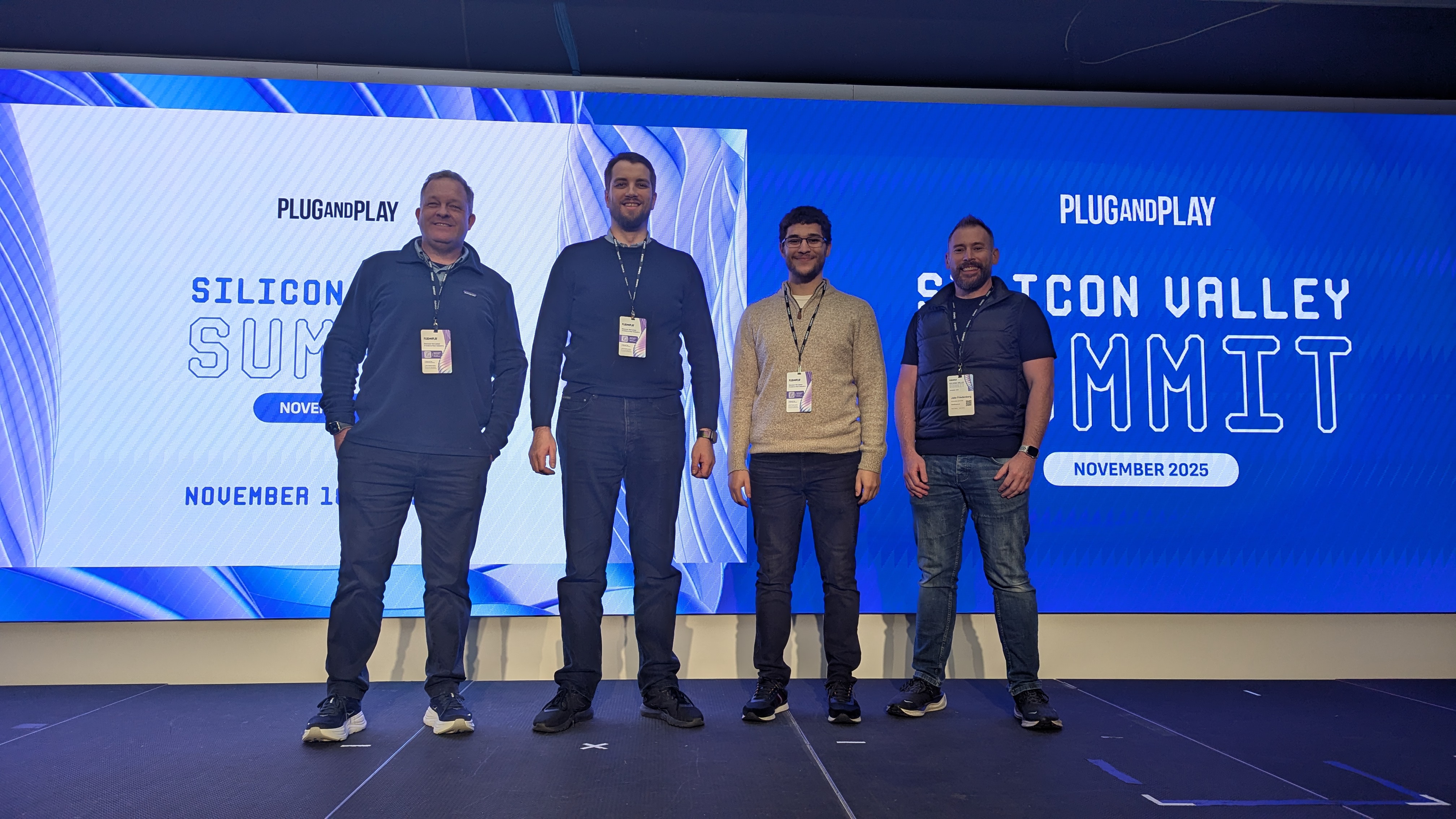
Founding team - Plug and Play Summit, November 2025
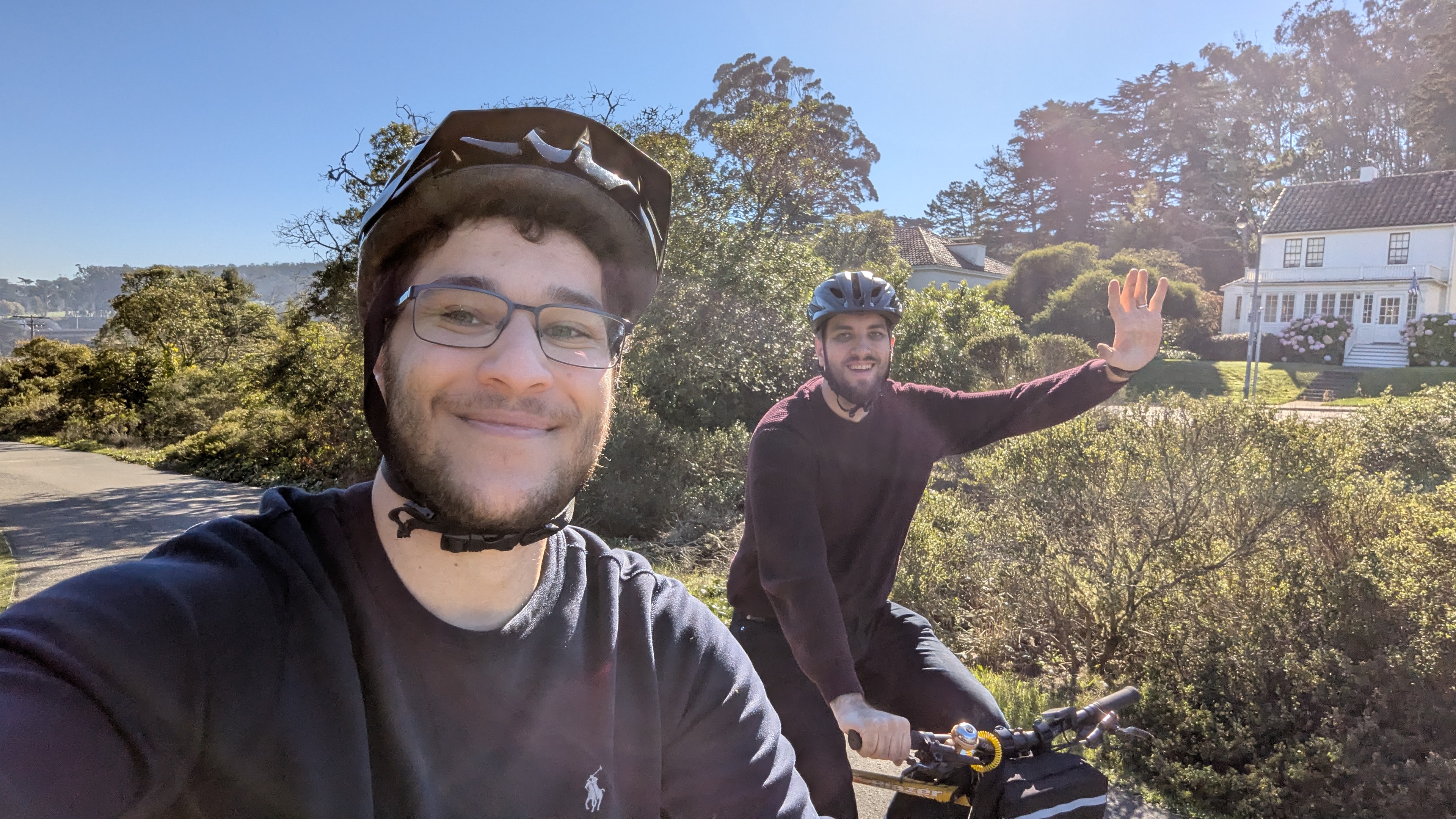
With Jonas - original co-founder
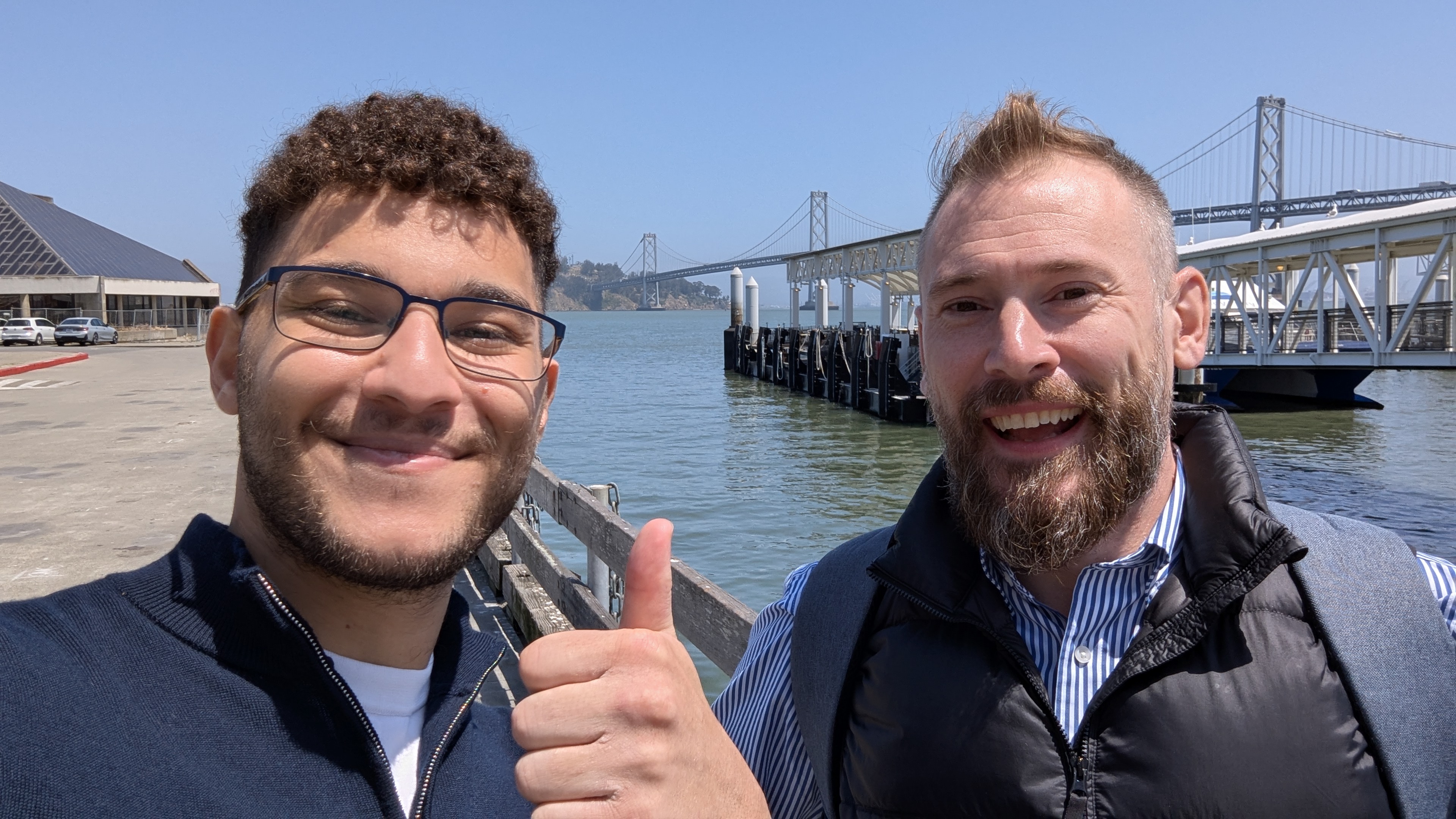
With Jake - COO
What I Learned
The most important thing I learned from building companies is that technical systems fail more often because of organisational dynamics than because of algorithms.
Incentives, power structures, communication patterns, and cognitive biases matter more than most people realise. The best technology in the world fails if it doesn't account for how humans actually behave.
This is why I care about causality - not just in machines, but in organisations. Understanding why things happen is the prerequisite to making them happen differently.